Filipino OPM: Growing Up Before the Algorithm

Five bands, the MYX charts and the memories of a generation raised on radio, television and after-school merienda.
Before streaming platforms learned to predict what we wanted to hear, Filipino OPM was already shaping everyday life through MYX.
Every morning, its music charts accompanied thousands of young people as they prepared for school. In the afternoon, the same songs returned on the radio, inside jeepneys, in shops and during karaoke sessions.
They were not simply hits. They became part of everyday life.
What Is Filipino OPM?
OPM stands for Original Pilipino Music. Initially used to identify popular music composed and performed by Filipino artists, the term now encompasses a much wider ecosystem: rock, pop, folk, hip-hop, soul and numerous independent scenes.
Reducing OPM to a single genre would erase its most important quality.
It is a living collection of stories told through Filipino voices, languages and experiences.
The final week of July has also been officially recognised in the Philippines as a period dedicated to promoting OPM and encouraging greater appreciation of homegrown music.
A Generation Raised on MYX
“Before streaming services knew what we wanted to hear, there was MYX counting down the country’s favourite songs every morning,” says Adie, a Filipino reader.
Before leaving for school, her television was already tuned to MYX and its daily Top 10. In the afternoon, the same familiar voices returned on the radio during "Merenda": bread, a glass of orange juice and songs she never needed to search for.
Only years later did she realise that these bands were not merely accompanying her routine. They were helping define a generation of OPM.
Five Bands That Open the Door to OPM
Eraserheads: The Everyday Voice of Filipino OPM
Formed in Quezon City in 1989, Eraserheads turned ordinary experiences, dreams, friendships and heartbreak into songs in which an entire generation could recognise itself.

Their music continues to surface at family gatherings, on the radio, on public transport and during karaoke sessions.
Even listeners who did not experience the height of their success have probably encountered one of their melodies.
Their influence came not only from their sound, but from their ability to capture everyday Filipino life with humour, vulnerability and an unmistakably local voice.
Start with: With a Smile.
Rivermaya: A Band Built on Evolution
Formed in Manila in 1994, Rivermaya became one of the central bands of the Philippines’ 1990s alternative-rock explosion.

While Eraserheads brought everyday experiences to the foreground, Rivermaya demonstrated how versatile Filipino rock could become. Line-ups and voices changed, but many of their songs remained present on the radio, in school performances and during afternoon commutes.
Their history is one of continuous evolution: a band moving through different eras of OPM without disappearing from collective memory.
Start with: 214.
UDD: Giving Quiet Emotions a Sound
UDD, formerly known as Up Dharma Down, formed in Manila in 2004. Their music moves between rock, electronic textures, soul and a quieter, more atmospheric sensibility.
Listening to UDD, Adie explains, feels less like attending a concert and more like sitting alone with your thoughts on a rainy evening.

Songs such as Tadhana gave shape to yearning, failed relationships and the acceptance that some people may survive only as memories.
Private emotions became a shared experience for countless Filipino listeners.
Start with: Tadhana.
Urbandub: Filipino Rock Beyond Manila
Formed in Cebu in 2000, Urbandub helped demonstrate that the Filipino rock scene did not belong exclusively to the capital.
Their songs travelled through burned CDs, MP3 players and recommendations exchanged between siblings, classmates and friends. Their sound combined post-hardcore energy, memorable melodies and an emotional intensity that never needed to sacrifice vulnerability for weight.
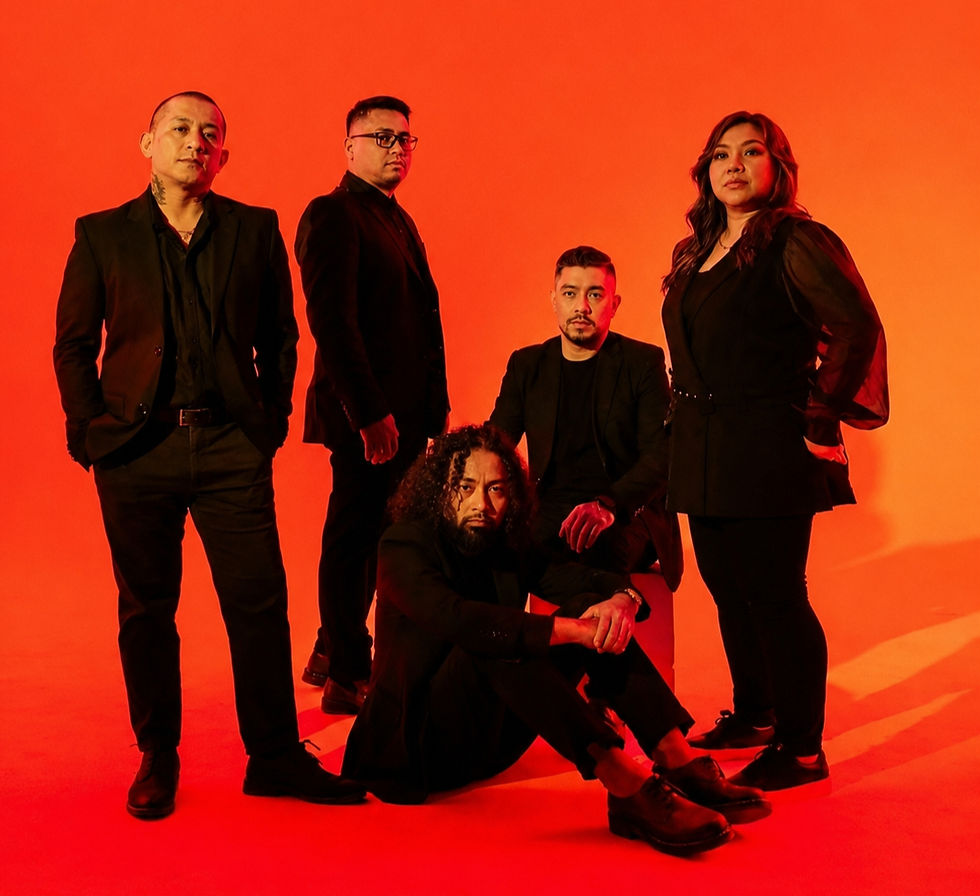
They became one of the bands listeners turned to when they wanted something heavy without losing its emotional core.
Start with: The Fight Is Over.
Orange & Lemons: When Melodies Become Memories
Orange & Lemons formed in 1999, developing an identity between indie pop, alternative rock and bright melodies influenced by guitar pop.
Some bands are remembered because of one concert or a particular album. Orange & Lemons belong to another category: artists whose songs quietly enter everyday life.

Even listeners who cannot immediately recall the band’s name may recognise the melody. Their songs are romantic without becoming naïve and nostalgic without losing their lightness.
Start with: Hanggang Kailan.
From Radio to TikTok: What Remains Today?
Music discovery has not disappeared. It has changed form.
MYX and radio created a relatively shared listening experience. Streaming and social media now allow different catalogues, generations and scenes to coexist inside the same playlist. A TikTok edit, dance trend or personal story can unexpectedly introduce an older song to thousands of new listeners.
This freedom also creates a contradiction. A song can become viral while its history, context and role within its original culture remain invisible.
This is where memory matters.
Want to keep discovering new music? Don’t miss 404, the CZMOS playlist updated every month with new tracks and artists from across Asia.
Remembering Is Still a Way of Discovering
Eraserheads, Rivermaya, UDD, Urbandub and Orange & Lemons do not represent the entire history of Filipino OPM. They are five entry points selected through one person’s lived experience.
Their stories remind us that music discovery did not begin with an algorithm. Before personalised playlists, there were charts watched before school, CDs passed between friends and songs heard over an afternoon snack.
Technology changes how we find music. Stories explain why we choose to keep it.


Comments