Can Culture Be Designed from the Top Down? The Singapore Cultural Model

Singapore shows that a state can build the material conditions for culture. It can fund institutions, train professionals, expand audiences and create international connections.
But can it also determine what culture will say and which identities it will make visible?
In 2000, the first Renaissance City Report explicitly set out the ambition to transform Singapore into a “global arts city” and a cultural centre for a new Asian renaissance. The arts were already connected to quality of life, national identity and the ability to attract talent and knowledge-based industries.
Culture, therefore, did not develop solely as a spontaneous expression of the city. It was incorporated into the planning of Singapore’s urban, social and economic future.
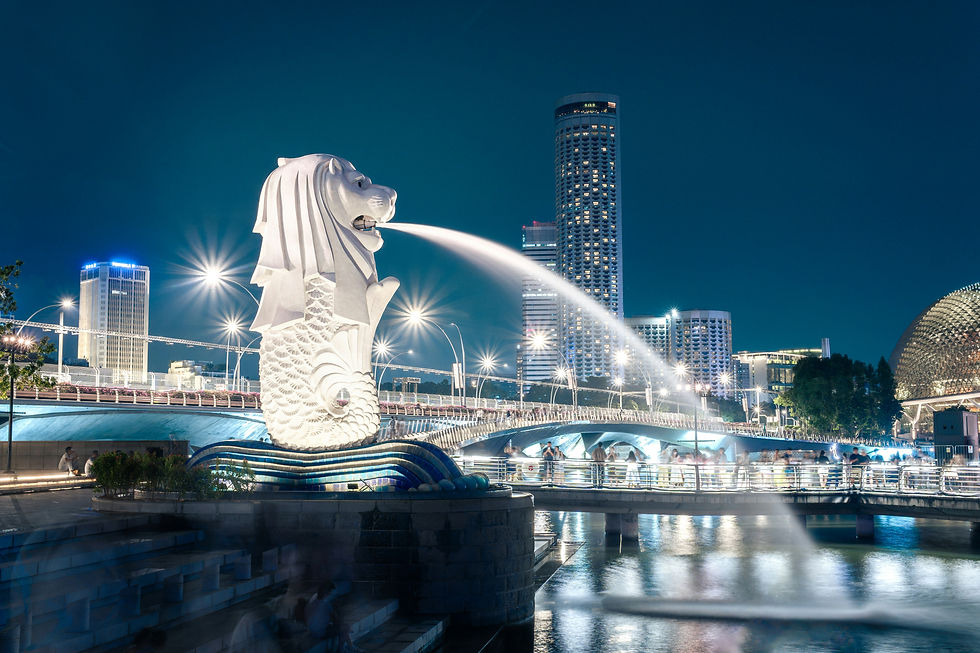
The Singapore cultural model: building the conditions for culture
This strategy has produced tangible results. Institutions such as Esplanade, opened in 2002, and National Gallery Singapore, inaugurated in 2015, have given the city recognisable cultural infrastructure. Funding, educational programmes, festivals and international initiatives have supported artists, companies and organisations.
The current Our SG Arts Plan 2023–2027 continues to present the arts as part of a more connected society, a distinctive city and a creative economy capable of generating opportunities. The strategy is not limited to building museums. It also involves developing audiences and professionals, activating spaces and supporting international circulation.
The figures show that these structures are being used. In 2024, ticketed performing arts and entertainment events recorded 3,222,582 attendances. Non-ticketed, live and in-person arts, cultural and heritage events reached 8,907,070 attendances.
Foto di Hu Chen su Unsplash Foto di Sergio Sala su Unsplash Foto di Coleen Rivas su Unsplash
These figures do not measure the quality, freedom or diversity of cultural production. They do, however, make it difficult to dismiss Singapore’s cultural model as a simple branding exercise.
When creativity becomes economic infrastructure
In Singapore, design is also treated as a national instrument.
Established in 2003 and now part of the Singapore Economic Development Board, the Design Singapore Council connects the sector to economic growth, innovation and quality of life.
Launched on 26 May 2026, the Design 2035 Masterplan is a ten-year strategy that allocates more than S$40 million to its first implementation period, from 2026 to 2028. It includes training, business innovation, international recognition and the launch of the Singapore Design Biennale in May 2027.

This is one of the system’s main strengths. Creativity is not relegated to decoration, but integrated into the design of services, businesses and the city itself.
The same approach, however, raises a question: how much space remains for practices that do not immediately produce growth, prestige or measurable outcomes?
Singapore between Southeast Asia and the global market
Singapore occupies a distinctive position in Southeast Asia. The widespread use of English, economic stability, infrastructure and the presence of international institutions and professionals allow it to connect part of the region’s cultural production to global networks.
This does not make Singapore the cultural capital of a region shaped by profoundly different scenes, from Bangkok and Jakarta to Manila and Kuala Lumpur.
It functions instead as a platform where artists, works and ideas can be funded, exhibited and made legible to international museums, biennales, fairs and creative industries.
The opportunity is real. The risk is that cultural languages already compatible with the vocabulary of the global market may be easier to sustain.
The Substation and what does not fit easily into the plan
The history of The Substation makes this tension visible. Founded in 1990 by playwright and theatre director Kuo Pao Kun, the centre became an important home for experimental art, theatre, film and independent music.
In 2021, it announced its permanent closure after the National Arts Council decided to renovate its premises at 45 Armenian Street and turn the building into a shared space for multiple organisations.

The Substation’s board concluded that losing exclusive control of its theatre and gallery would compromise its autonomy, identity and income. Declining revenue during the pandemic and difficulties in fundraising also contributed to the decision.
This is not straightforward evidence of a state opposed to independent culture. The Substation had received public support for decades, and the National Arts Council stated that it had offered additional funding and temporary premises.
The case nevertheless reveals a deeper vulnerability. In an expensive and highly planned city, cultural autonomy also depends on the ability to occupy a space and experiment without continually having to prove its efficiency.
Designing the conditions, not the outcome
The problem is not that Singapore also uses culture to construct its international image. Many cities do the same.
The tension emerges when attendance, economic growth and visibility become the dominant measures of success, while practices that are less profitable, spectacular or easily communicated risk being pushed to the margins.
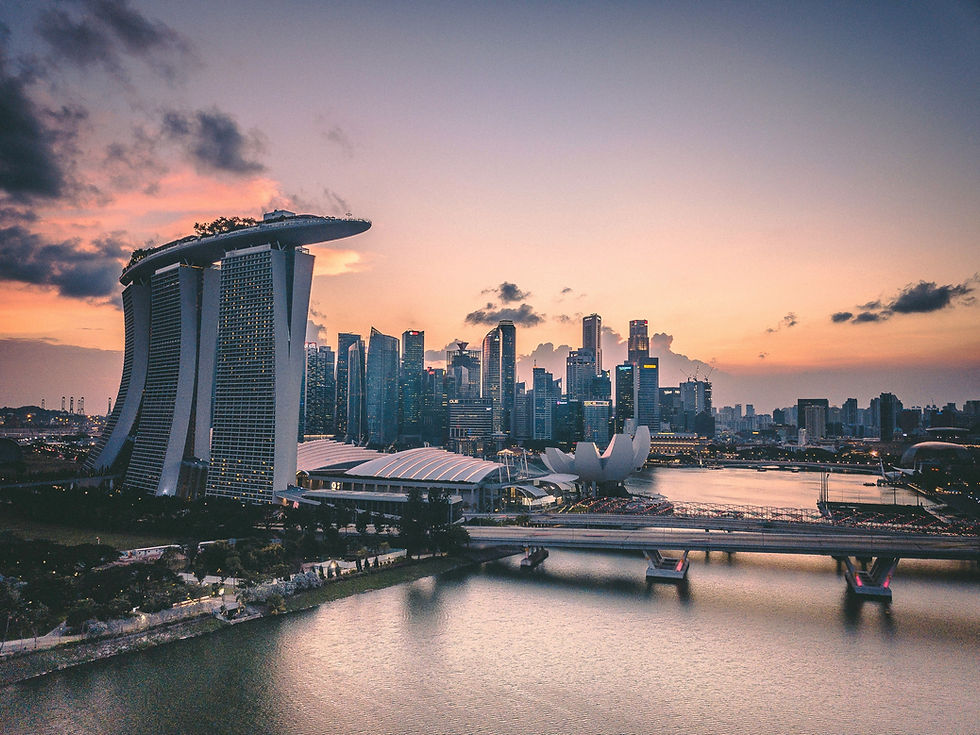
Singapore shows that culture can be supported from the top down and that coherent policy can build infrastructure, audiences and international access at a pace that urban spontaneity alone would struggle to achieve.
From the top down, however, it is possible to design the conditions for culture, not culture itself.
The real test of a creative model is not only what it can fund and export, but how much space it leaves for what it did not anticipate: uncomfortable languages, identities that resist being turned into branding and scenes that demand freedom before visibility. Follow CZMOS to explore contemporary Asian culture beyond the trend, through the policies, cities and independent scenes redefining its languages



Comments